 Iceland
Watch the sky turn green in a field with no lights

An aurora is a collision. Particles thrown off the sun run into the top of the atmosphere and hand their energy to oxygen and nitrogen atoms, which give it straight back as light. The green comes from atomic oxygen, somewhere between a hundred and a hundred and fifty kilometers up, where the air is thin enough that an excited atom gets to emit before anything bumps into it. That is why green is the color that turns up almost every time.
The rest of it is driving away from the lights and then waiting, which is most of what a northern lights night actually consists of. Engine off, out in the fields, in a cold that gets into boots after about twenty minutes, watching a sky that for a long while does nothing.
It does not arrive the way the photographs suggest. It usually starts as a pale gray band low down that could easily be cloud, until the cloud fails to behave like cloud. Then it brightens, and the color comes in, and it moves fast enough to follow.
The one thing worth knowing beforehand: a long exposure gathers light that an eye cannot, so the first photograph of the night almost always looks better than the moment felt. The faint gray smear at eleven o'clock is a real aurora having a quiet start, and it is a reason to stay outside rather than a reason to give up on it.
How to get there
More to do in Iceland
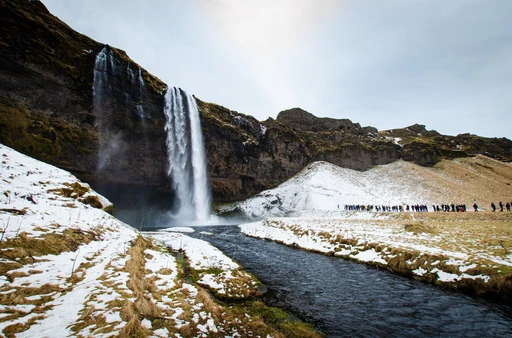 Find a waterfall still running inside a cliff of icicles
Seljalandsfoss
Find a waterfall still running inside a cliff of icicles
Seljalandsfoss
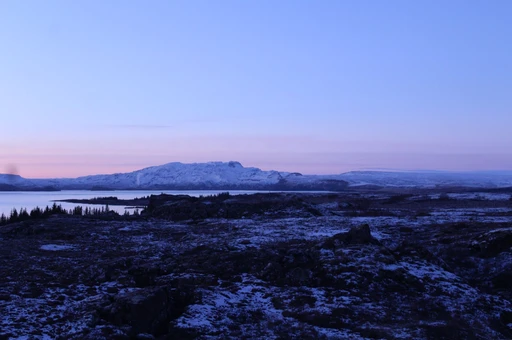 Float in the gap between two continents
Silfra
Float in the gap between two continents
Silfra
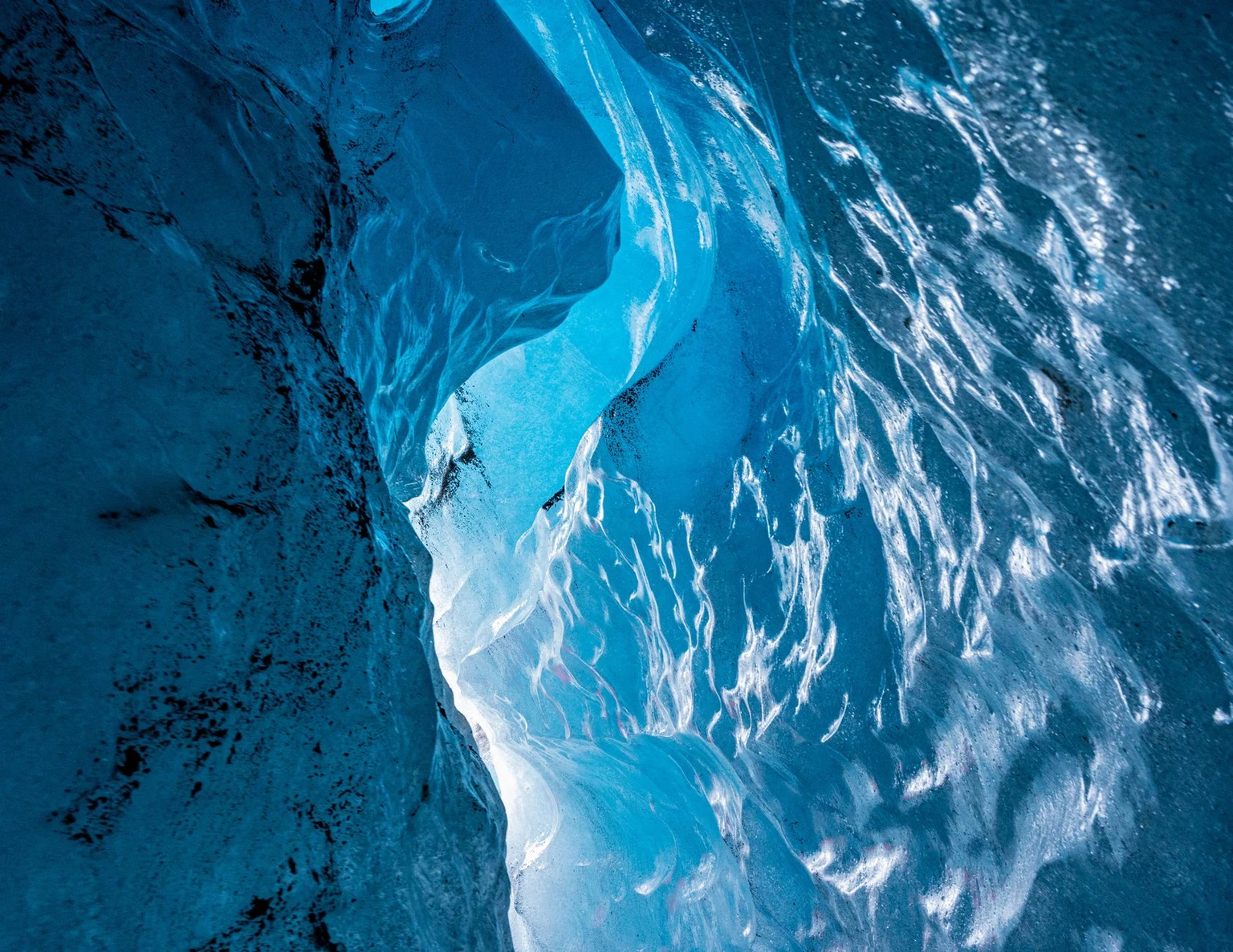
 Go inside a cave of blue ice that will not exist next year
Breiðamerkurjökull
Go inside a cave of blue ice that will not exist next year
Breiðamerkurjökull
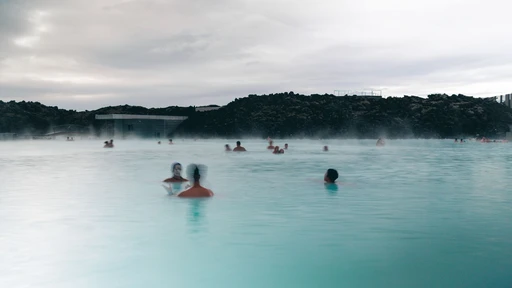 Sit in hot water at the edge of the sea while it snows
Sky Lagoon
Sit in hot water at the edge of the sea while it snows
Sky Lagoon
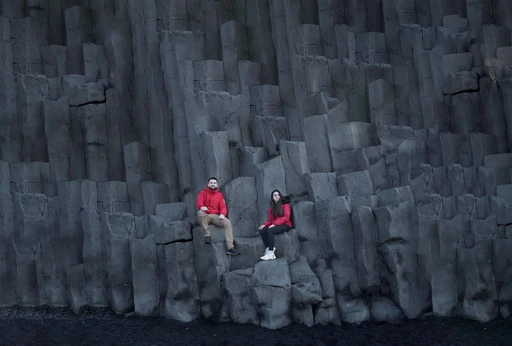 Walk under a cliff of black stone stacked like organ pipes
Reynisfjara
Walk under a cliff of black stone stacked like organ pipes
Reynisfjara
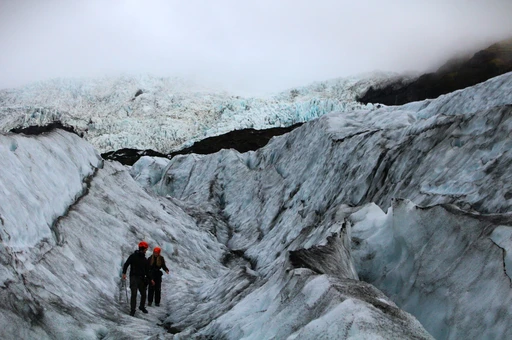 Walk up a glacier in crampons, above where its ice ended thirty years ago
Sólheimajökull
Walk up a glacier in crampons, above where its ice ended thirty years ago
Sólheimajökull